German Shepherd SVG for Cricut
A Designer’s First Look: Clean, Confident, and Ready for Stitching
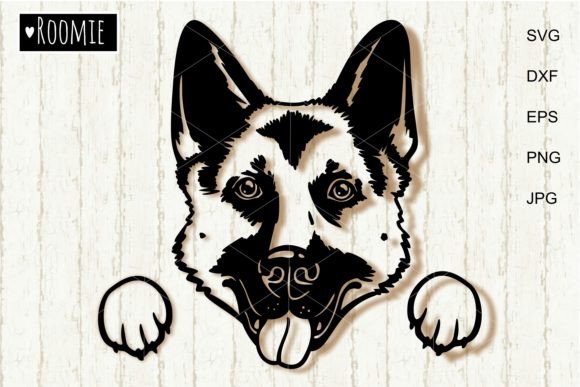
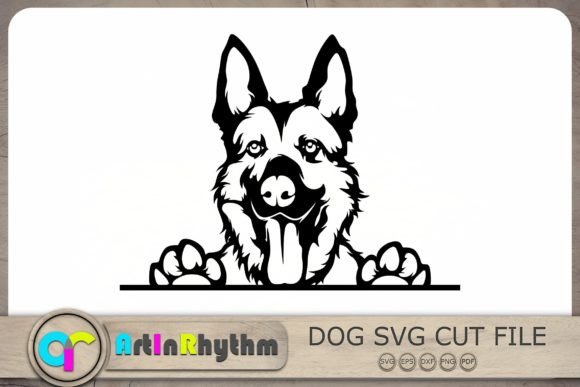
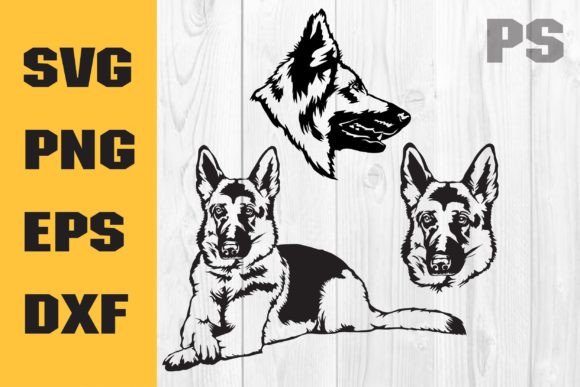
When I opened German Shepherd Svg, Dog Svg Cricut in my design software, the first thing that struck me wasn’t just the breed accuracy—it was how immediately *embroiderable* it felt. The silhouette is bold but not oversimplified; the head tilt suggests quiet intelligence, not cartoonish exaggeration. There’s no cluttered line work or unnecessary interior detail—just strong outer contours and subtle ear shaping that will translate cleanly into satin stitch or fill stitch. As a designer who regularly converts vector files for machine embroidery, I appreciated the lack of overlapping paths and tight nodes. This isn’t a graphic built for print-only use—it breathes like a design meant to live on fabric.
Real-World Test: Embroidering a Custom Tote Bag for a Local Dog Rescue Shop
Last week, I used German Shepherd Svg, Dog Svg Cricut to create embroidered canvas tote bags for a small animal nonprofit’s fundraiser. We chose a medium-weight natural canvas with light stabilizer backing—and the result held up beautifully. The dog’s profile stitched crisply at 4.5 inches wide, with clean satin-stitched edges defining the ears and muzzle. Because the file includes both SVG and EPS formats, I easily adjusted proportions in Illustrator before importing into my embroidery software—no pixelation, no jagged curves. Customers responded strongly: “It looks like *my* dog,” one said. That emotional resonance matters. It’s why this design works so well for personalized gifts, boutique merchandise, and cause-based apparel—not just as decoration, but as storytelling.
Where It Shines (and Where to Pause)
German Shepherd Svg, Dog Svg Cricut excels in projects where clarity and character matter more than micro-detail:
- Custom apparel: Sweatshirt embroidery, especially on midweight fleece or cotton-blend hoodies—its confident outline reads well even from across a room.
- Embroidered patches: Clean lines mean minimal thread buildup and sharp edges after heat-sealing or sew-on application.
- Baby embroidery: On organic cotton onesies or burp cloths, its gentle profile feels warm and protective—not intimidating.
- Holiday and nursery decor: Works beautifully on pillow covers, tea towels, and framed hoop art—especially when paired with simple monochrome thread choices.
- Digital product previews: The included PNG with transparent background makes it easy to drop into printable mockups for Etsy listings or social media promos.
But here’s what I’d flag for fellow designers: avoid pushing this design too small. Below 2.5 inches wide, the ear tips and muzzle definition start to blur in dense fill stitch—especially on textured fabrics like terry cloth or thick denim. Also, while it handles dark fabric well (I tested it in white and cream thread), avoid placing it directly over seams or curved surfaces like cap fronts without re-hooping and careful tension checks. And if you’re planning layered applique—say, adding a red collar or name tag—confirm that the base SVG has clean, non-intersecting layers before converting.
What It Adds to Your Craft Business (Beyond the Stitch)
As someone who’s helped dozens of Etsy sellers refine their embroidery offerings, I can say this: German Shepherd Svg, Dog Svg Cricut strengthens perceived value. Its balanced proportions and professional-grade vector construction signal craftsmanship—not just a quick download. When customers see this on a handmade apron or personalized baby blanket, they don’t just see a dog; they see intention. That builds trust. It also supports brand consistency: whether you’re selling pet-themed kitchen towels or launching a small shop line around working breeds, this design holds its own alongside custom lettering or coordinating icons.
For commercial embroidery projects—like embroidering staff uniforms for a local kennel or vet clinic—it delivers reliability. No hidden anchor points, no erratic stitch jumps, no unexpected density spikes. That means fewer thread breaks, less re-hooping, and smoother production flow.
Practical Designer Notes Before You Stitch
- Always test on scrap fabric first—especially if using stretchy knits or lightweight cotton. Adjust stabilizer type (cutaway vs. tear-away) based on your fabric texture.
- Review thread color contrast carefully. A charcoal gray German Shepherd on navy fabric may read as flat unless you add subtle tonal variation—try blending two grays in satin stitch.
- Check stitch density in your embroidery software. If the fill areas look overly heavy, reduce density by 5–10% for better drape on apparel.
- Confirm hoop size compatibility. At full scale, this design fits comfortably in a 5x7 hoop—but double-check your machine’s max dimensions before finalizing.
- Inspect small details in black-and-white mockups. What reads as expressive in color might fade on dark backgrounds—so preview in grayscale too.
- Verify licensing terms before selling finished items. While the file package includes SVG, PNG, and EPS formats suitable for digital embroidery file prep, confirm whether commercial use is permitted for your specific business model.
Final Thought: A Solid, Versatile Asset for Real Makers
German Shepherd Svg, Dog Svg Cricut isn’t flashy—but it doesn’t need to be. In the world of Crafts and Graphics, reliability often outshines novelty. It’s the kind of design that quietly elevates a handmade product, supports a small shop’s aesthetic cohesion, and earns repeat requests from clients who want something timeless, not trendy. Whether you’re stitching a holiday gift for a new puppy owner or building a cohesive line of dog-themed embroidery files for your digital shop, this is a grounded, thoughtful, and genuinely usable asset. Just remember: let the fabric guide you, test early, and trust the clean lines. They’ll carry your vision forward—one stitch at a time.