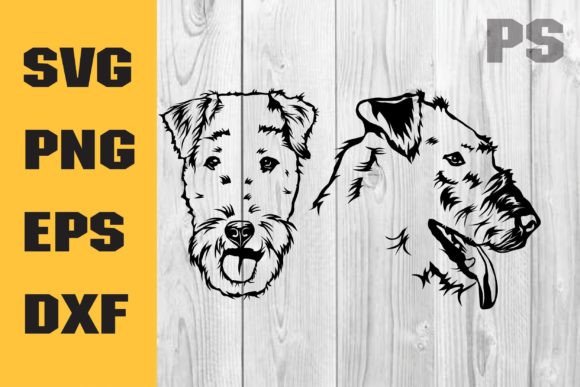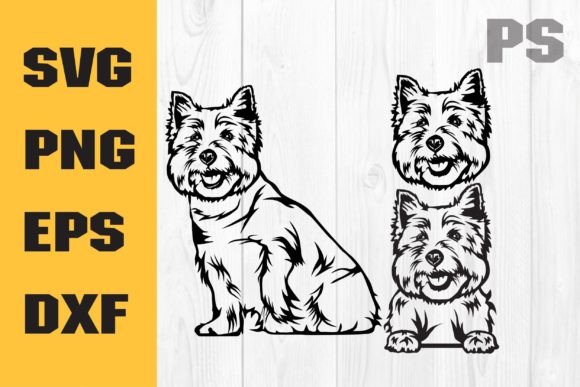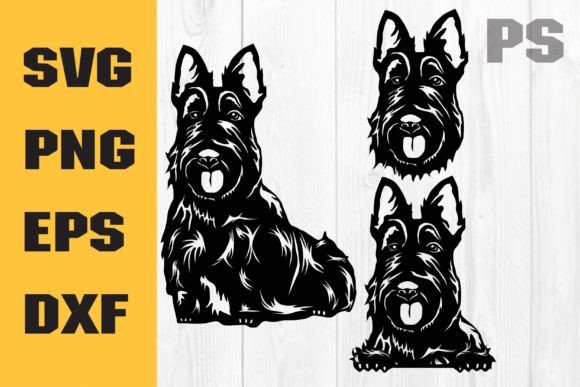
Manchester Terrier SVG, Dog Svg
A Designer’s First Glance: Clean, Characterful, and Ready for Stitching
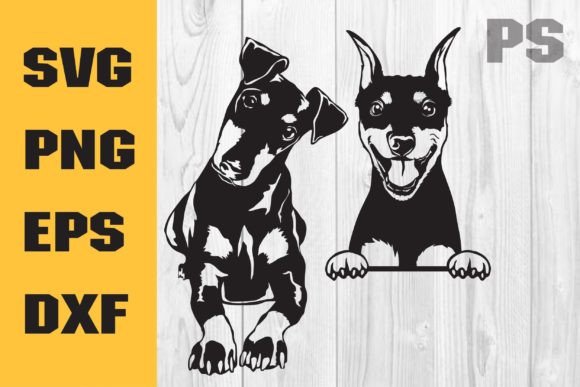
When I opened the Manchester Terrier SVG, Dog Svg file, my eye landed first on its confident silhouette—compact, alert, and unmistakably terrier. No overwrought flourishes, no cartoonish exaggeration. It’s a balanced vector: strong head shape, subtle ear fold, clean leg lines, and just enough contour to suggest muscle without clutter. This isn’t a clipart afterthought—it feels like a design drawn *for* embroidery, not just adapted for it. As a designer who’s stitched hundreds of dog motifs—from floppy-eared mutts to prancing poodles—I immediately sensed this one would translate well into thread: clear negative space, open areas for fill stitch, and outlines that won’t vanish under dense satin stitching.
Real Project Test: Embroidering a Custom Baby Onesie
Last week, I used Manchester Terrier SVG, Dog Svg to create a set of personalized baby onesies for a local boutique’s spring launch. We chose soft organic cotton jersey—a fabric that stretches, shifts, and swallows detail if you’re not careful. I resized the design to 3.2 inches wide (a safe sweet spot for infant apparel), converted it to an embroidery file using my digitizing software, and ran a test on scrap fabric with tear-away stabilizer. The result? Crisp edges, even satin stitch on the muzzle and ears, and zero puckering. Parents loved how recognizable the breed was at that scale—not generic “dog,” but *Manchester Terrier*. That specificity builds trust: customers feel seen, not sold a stock graphic.
Where It Shines—and Where It Needs Thought
This design excels in medium-to-lightweight applications: embroidered patches, tote bag corners, sweatshirt chest placements, tea towel monograms, and pillow covers where clarity matters more than complexity. On a structured canvas tote? Perfect—its compact shape anchors the composition without overwhelming. On a curved cap front? Use it at 2.5 inches or smaller, and reinforce with cutaway stabilizer underneath; the clean lines hold up better than busy, multi-element designs.
But be mindful: the delicate line defining the inner ear and the slight taper of the tail tip are charming in vector form—but they’ll disappear on dense knits or dark fabrics unless you adjust stitch density or add a light-outline running stitch. Thin fabrics like rayon challis or lightweight linen need extra backing; stretchy fabrics demand ballpoint needles and gentle hooping. And while the SVG includes clean paths for cutting machines, remember—this is a *graphics* file, not a pre-digitized machine embroidery design. You’ll need to digitize it yourself or hire a digitizer before stitching.
Commercial Use Reality Check
If you’re an Etsy seller or small shop owner building a Manchester Terrier–themed collection—think holiday stockings, nursery wall art, or custom pet memorial pillows—this SVG gives you flexibility. You can layer it in mockups, pair it with hand-lettered names in your branding, or convert it to vinyl for iron-on patches. But here’s what I tell every craft business client: always verify licensing terms before selling finished products. The product description says it’s compatible with Cricut and Silhouette—that implies personal and small-batch commercial use, but check the seller’s policy on resale rights, especially for digital embroidery files derived from this asset.
Practical Notes Every Embroidery Designer Should Run Through
- Test on scrap fabric first—especially with textured weaves or blends. What looks sharp on screen may blur when stitched.
- Review stitch density in your digitizing software. Too dense = stiff fabric; too sparse = gaps in coverage. This design’s moderate detail level means it rarely needs heavy fill—lean into satin and outline stitches instead.
- Confirm hoop size early. At 4 inches wide, it fits standard 5x7 hoops comfortably. Go larger only if your fabric and stabilizer can support it.
- Inspect small details at actual stitch size: the nose point, ear tips, and paw definition all hold up well—but zoom in before finalizing your embroidery file.
- Mock it up in black and white to gauge contrast on light vs. dark garments. This design has excellent value separation, so it reads clearly on navy sweatshirts or cream tea towels.
- Use proper stabilizer: medium-weight cutaway for knits, tear-away for stable wovens, and fusible for lightweight linens.
- Check thread color contrast—a warm tan thread on oatmeal fabric reads softer than black on white, but both work. Avoid low-contrast combos unless intentional.
Beyond the Stitch: How It Shapes Your Product Story
What makes Manchester Terrier SVG, Dog Svg more than just another dog graphic? Its quiet authenticity. It doesn’t shout—it invites recognition. A customer scrolling Etsy sees it on a handmade apron and thinks, *“That’s *my* dog’s breed.”* That emotional resonance lifts perceived value, supports premium pricing, and encourages repeat purchases across your craft business. For boutique branding, it adds warmth without cutesiness. For holiday embroidery or wedding gifts (think “Best Dog Dad” totes), it grounds sentiment in specificity—not just “pet,” but *this* pet, *this* breed, *this* personality.
Final Verdict: A Reliable, Human-Centered Design Asset
Manchester Terrier SVG, Dog Svg isn’t flashy—but it’s thoughtful. It respects the limits of thread and fabric, honors the breed’s character, and serves real-world use cases: from baby embroidery to commercial embroidery projects, from printable mockups to finished product photography. It belongs in the toolkit of designers who prioritize clarity over clutter, craftsmanship over convenience, and connection over generic appeal. If you work in Crafts or sell Graphics for handmade products, this is the kind of asset that quietly strengthens your portfolio—one precise, purpose-built stitch at a time.