Dog SVG, DXF, PNG, Cut File Review for Real Embroidery Use
First Impressions: Clean, Friendly, and Ready for Stitching
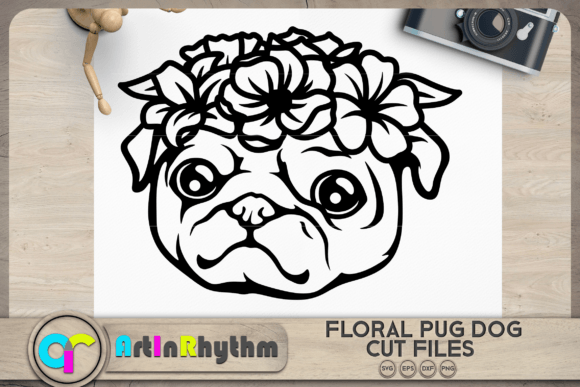
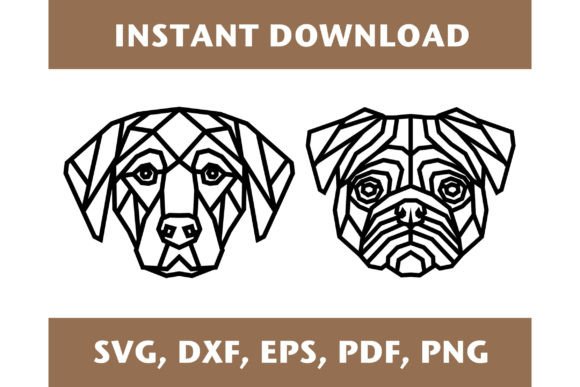
Opening the ZIP archive for Dog Svg, Dog Dxf, Dog Png, Dog Cut File, I immediately noticed how thoughtfully organized it is—SVG, DXF, EPS, PDF, and PNG all present, labeled clearly, no hidden layers or clutter. As someone who’s stitched hundreds of dog-themed designs for baby onesies, boutique aprons, and Etsy embroidered patches, I scanned the outlines first: simple but expressive silhouette, gentle curves in the ears and tail, balanced proportions, no overcomplicated linework. It reads as warm—not cartoonish, not overly realistic—but approachable. That makes it ideal for personalized gifts (think: a custom tote bag for a new dog parent) or small shop merchandise where charm matters more than photorealism.
A Real Project Test: Embroidering a Linen Kitchen Towel
Last week, I used Dog Svg, Dog Dxf, Dog Png, Dog Cut File to create a small embroidered kitchen towel for a local café’s “Pup Day” promotion. I converted the SVG into a machine embroidery design using my digitizing software, then stitched it on medium-weight linen with light tear-away stabilizer. The result? Crisp satin stitch along the outer contour, clean fill stitch in the body, and zero skipped stitches—even at the subtle curve of the snout. Because the original vector files are well-constructed (no stray anchor points, consistent stroke weights), the digitized version held up beautifully. Customers loved the soft, handmade product feel—no pixelation, no jagged edges—and several asked where they could get one for their own dogs.
Where This Design Shines—and Where It Needs Thought
Dog Svg, Dog Dxf, Dog Png, Dog Cut File works especially well for:
- Custom apparel: Sweatshirt embroidery, toddler tees, and unisex caps—its moderate size and open shape avoid bulk on seams or curved surfaces.
- Baby embroidery: Gentle lines translate smoothly to delicate fabrics like interlock knit; just use lightweight cut-away stabilizer and reduce stitch density slightly.
- Embroidered patch production: The clean outline and internal negative space make it easy to add border stitching or layer with fabric applique.
- Holiday embroidery and personalized gifts: Add a tiny bone or paw print beside it for Christmas stockings or birthday tea towels—its simplicity invites thoughtful customization.
But be mindful when using it on:
- Thin or stretchy fabric: Always test on scrap first—tighter weaves hold detail better, and high-stretch knits may distort the ear shape without proper stabilizer.
- Dark fabric: The PNG preview doesn’t indicate contrast, so check your thread colors against black or navy backgrounds—light tans or creams read well, but pale yellows may fade visually.
- Small hoop sizes (under 4”) or dense decorative accents: While the design itself fits comfortably in a 3.5” hoop, adding extra flourishes or text shrinks usable space fast.
What It Adds to Your Craft Business—and What It Doesn’t Promise
As an Etsy seller and small shop owner, I value design assets that support brand consistency—not just look nice. Dog Svg, Dog Dxf, Dog Png, Dog Cut File delivers that quiet professionalism: it doesn’t shout, but it communicates care. When stitched onto a linen pillow cover or cotton apron, it elevates the handmade product without overwhelming it. Buyers notice that balance—it builds trust, especially for personalized gifts where sentiment matters. It also translates cleanly into printable mockups for social media or digital product previews, helping craft business owners showcase items before stitching a single thread.
That said, this isn’t a full embroidery file out of the box—it’s a graphics package. You’ll need to digitize it yourself or work with a digitizer to turn it into a true machine embroidery design. There’s no built-in applique design structure, no pre-set satin stitch paths, and no stitch-density guidance included. That’s not a flaw—it’s just how most quality cut files operate—but it does mean you’ll want to review the vector paths closely before converting. Look for smooth corners, consistent line weight, and no overlapping shapes that could confuse your software.
Practical Designer Notes Before You Stitch
Before committing to a client project or batch production, here’s what I always do with files like Dog Svg, Dog Dxf, Dog Png, Dog Cut File:
- Test on scrap fabric—same type and weight as your final project—to confirm stitch clarity and stabilizer performance.
- Check thread color contrast in both natural and artificial light; some tones shift dramatically on textured fabrics.
- Review stitch density in your digitized version—especially around the eyes or inner ear—if planning for baby embroidery or frequent washing.
- Confirm hoop size compatibility with your machine and fabric thickness; don’t assume it fits your smallest hoop without measuring.
- Inspect small details at 200% zoom in your design software—tiny gaps or misaligned nodes can cause registration issues mid-stitch.
- Test black-and-white mockups to assess visual weight and recognition at a glance—critical for boutique branding and shelf appeal.
- Compare light vs. dark fabric backgrounds using your actual thread palette, not just screen previews.
- Use appropriate stabilizer: light cut-away for knits, tear-away for stable wovens, and fusible for layered garments like reversible tote bags.
- Verify licensing terms before selling finished products or reselling the digital embroidery file—this listing says nothing about commercial use rights, so contact the creator if unsure.
Final Thought: A Quietly Reliable Workhorse for Crafters
Dog Svg, Dog Dxf, Dog Png, Dog Cut File won’t wow with flash—but it earns respect through reliability. It’s the kind of design that disappears into your best work: clear, adaptable, and quietly confident. Whether you’re building a craft business, stocking a holiday market booth, or stitching heartfelt gifts for friends, it supports your voice instead of competing with it. In the world of Crafts and Graphics, that kind of restraint is rare—and valuable. Just remember: great embroidery starts with smart file choices, not just beautiful outcomes. And this one? It’s a solid, practical foundation.