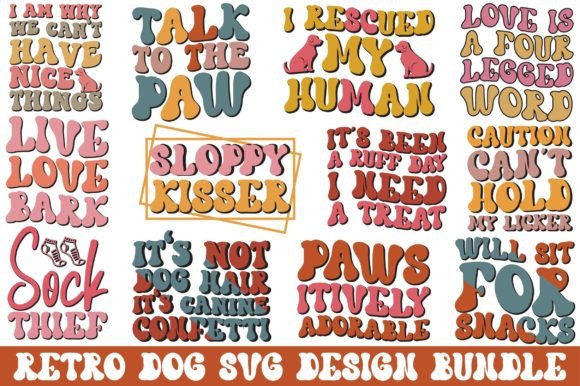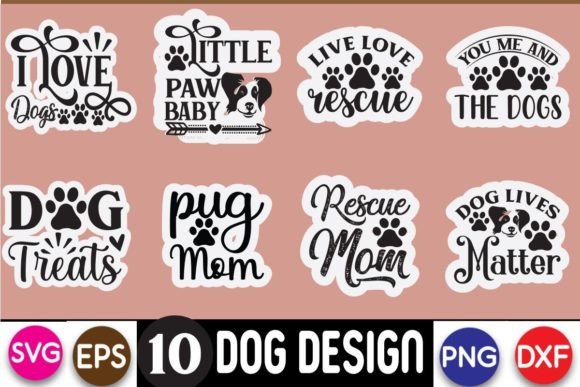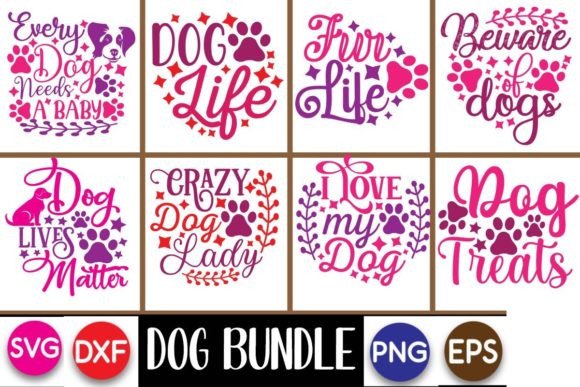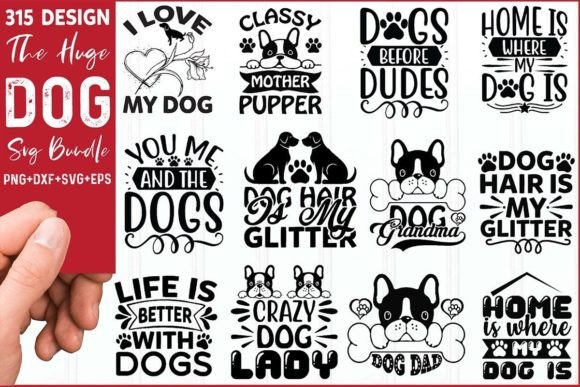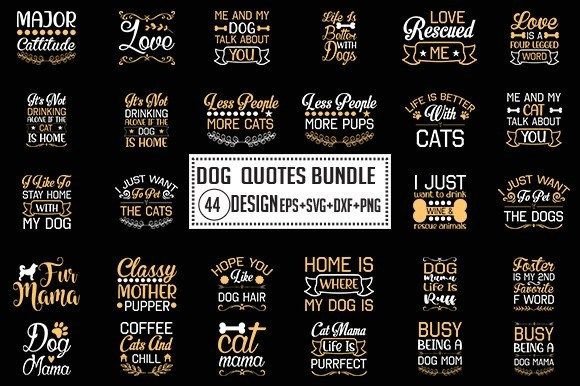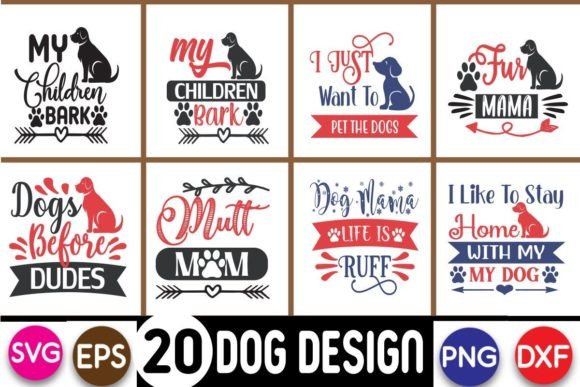
Dog Design, Dog SVG Design, Dog Bundle
First Impressions: Friendly, Clean, and Ready for Stitching
When I opened Dog Design, Dog Svg Design, Dog Bundle for the first time, I wasn’t looking for “cute”—I was looking for workable. And it delivered. The silhouette is confident but not fussy—rounded ears, a soft snout curve, and just enough facial definition to read clearly at 3–4 inches tall. It doesn’t lean into cartoon exaggeration or hyper-realism; instead, it strikes that sweet spot many embroidery designers chase: instantly recognizable, scalable, and expressive without relying on tiny details. As a machine embroidery design, its visual personality feels like a warm invitation—not a shout. That matters when you’re stitching for baby onesies, boutique aprons, or personalized tote bags meant to last.
A Real-World Test: Embroidering a Linen Kitchen Towel
Last week, I used Dog Design, Dog Svg Design, Dog Bundle on a natural linen tea towel for a local craft fair pop-up. Why linen? Because it’s unforgiving—loose weave, low stretch, and zero forgiveness for dense stitch areas or poorly balanced fill stitches. I chose a medium hoop size (5” x 7”), paired it with lightweight cutaway stabilizer, and ran a quick test on scrap fabric first. The design stitched cleanly: satin stitch outlines held crisp edges, fill stitches laid flat without puckering, and the negative space around the dog’s legs stayed open and breathable. Customers responded immediately—not just to the dog itself, but to how *intentional* it looked. That’s the quiet power of a well-considered embroidery file: it reads as handmade, not mass-produced.
Where It Shines—and Where It Needs Thought
Dog Design, Dog Svg Design, Dog Bundle fits naturally into several high-value categories: custom apparel, embroidered patches, sweatshirt embroidery, baby embroidery, and holiday embroidery. Its clean lines translate beautifully to tote bag design and pillow covers—especially when paired with subtle thread color combos (think oatmeal + charcoal, or sage + cream). For Etsy sellers and small shop owners, it’s a strong candidate for printable mockups and digital product previews because it scales well across formats without losing clarity.
But let’s be real: not every surface is ideal. On highly textured fabrics—like thick terry cloth or bouclé knit—some of the subtler contour lines may soften. On dark fabric, double-check your thread colors in a black-and-white mockup first; light grays or pale tans can disappear if contrast isn’t intentional. And while it works on caps, avoid placing it too close to the bill seam unless you’ve confirmed hoop clearance and fabric tension control. Also, skip ultra-fine details like tiny collars or paw pads unless you’re using an applique design layer—you’ll lose them in standard fill stitch density.
Stitching Clarity = Customer Trust
In my experience, embroidery customers don’t just buy a dog—they buy confidence. Confidence that the finished product will look polished, hold up to washing, and reflect well on their brand or gift-giving intention. This design supports that. Its moderate stitch density avoids excessive buildup, making it suitable for baby embroidery and lightweight garments where stiffness is a concern. And because it avoids over-layering or micro-details, it reduces the chance of thread breaks or re-hooping mid-stitch—key for commercial embroidery workflows and craft business consistency.
Practical Designer Notes You Can’t Skip
- Always test on scrap fabric first—especially if you’re stitching on stretchy fabric, thin fabric, or layered garments like hoodies.
- Review thread color contrast before finalizing. A design this friendly deserves thoughtful palette choices—not default black-on-black.
- Confirm hoop size compatibility. If your machine uses smaller hoops (like 4” x 4”), check whether the design fits without scaling down so much that detail blurs.
- Inspect small corners and curves manually in your embroidery software. Look for tight angles that might cause jump stitches or uneven satin stitch direction.
- Use proper stabilizer: lightweight cutaway for stable wovens, tear-away for stable knits, and mesh or fusible for delicate or sheer fabrics.
- Check licensing before selling finished items or reselling the digital embroidery file. Since this is listed under Graphics and Crafts, verify whether it’s cleared for commercial embroidery and Etsy resale.
Design Assets That Build Brand Consistency
For creative entrepreneurs building a cohesive line—say, a pet-themed kitchen collection or a nursery decor set—Dog Design, Dog Svg Design, Dog Bundle holds up as reliable design assets. It’s simple enough to pair with coordinating fonts or botanical accents, yet distinct enough to anchor a collection. I’ve used it alongside hand-lettered “Biscuit & Co.” text in a recent client project for embroidered aprons—and the pairing felt intentional, not forced. That’s rare. Too many dog designs either scream “clip art” or demand so much technical finesse they slow down production. This one respects both your time and your standards.
Final Thought: Not Just a Dog—A Thoughtful Starting Point
This isn’t just another dog embroidery file. It’s a practical, flexible, and quietly professional foundation. Whether you’re stitching personalized gifts for new pet parents, building inventory for your Etsy shop, or developing small shop product lines for craft fairs, Dog Design, Dog Svg Design, Dog Bundle earns its place in your library—not because it’s flashy, but because it’s trustworthy. It behaves on fabric. It reads well at multiple sizes. And it leaves room for your voice as a designer, not just your machine’s capabilities. In a market flooded with generic graphics, that kind of reliability is worth more than a thousand pixels.