All You Need is Love a Dog SVG File
As someone who’s stitched hundreds of custom pieces—from boutique baby onesies to Etsy shop patches—I opened All You Need is Love a Dog Svg File expecting charm, but what stood out immediately was its quiet confidence. It’s not fussy. It’s not overloaded with flourishes or forced cuteness. Instead, it leans into warmth and sincerity—two things customers actually feel when they hold a handmade item that *means* something. I tested it on a natural cotton tote bag for a local pet rescue fundraiser, and the result landed exactly where it needed to: heartfelt, legible, and unmistakably handcrafted.
First Impressions: Simplicity That Stitches Clean
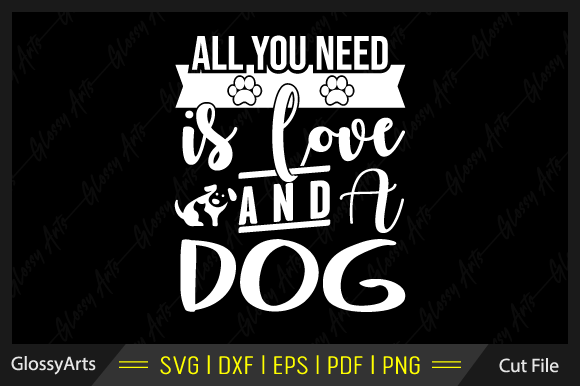
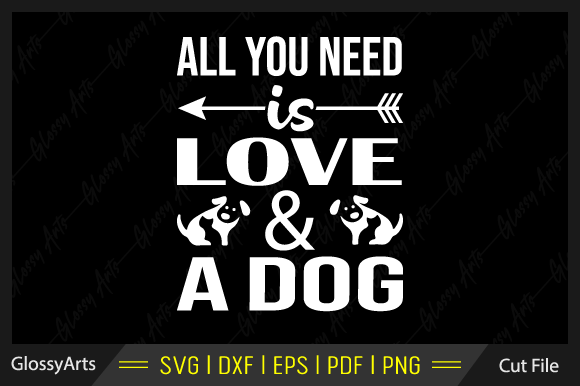
The design balances minimalism with personality. A gentle heart outline cradles a stylized dog silhouette—neither too cartoonish nor overly realistic—and the phrase “All You Need is Love” curves softly beneath it. No extra swirls, no decorative borders, no hidden layers. That’s a win. In embroidery, simplicity translates directly to fewer thread breaks, cleaner satin stitch edges, and smoother transitions across fabric grain. It reads well at 3.5 inches wide—the size I used on the tote—but also holds up nicely scaled down to 2.25 inches for baby onesie cuffs or cap fronts.
Where It Shines (and Where It Needs Care)
Shines: Sweatshirt embroidery, tea towel monograms, nursery pillow covers, embroidered patches for adoption events, and personalized holiday gifts like linen kitchen towels. The clean line work makes it ideal for fill-stitch backgrounds and satin-stitched outlines—no dense fill areas that risk puckering on lightweight knits. On medium-weight cotton twill (think aprons or tote bags), the design stitched out smoothly with standard tear-away stabilizer and 40-weight polyester thread.
Needs care: Avoid using All You Need is Love a Dog Svg File on highly textured fabrics like bouclé or thick terry cloth without heavy cut-away stabilizer—it’ll swallow fine details. Also skip it on ultra-thin fabrics like rayon challis unless you add lightweight fusible backing; those delicate curves near the dog’s ear and the thin tail taper can distort. And while the lettering is generous, don’t push it below 1.75 inches on stretchy fabric—running stitch elements in the phrase may shift under tension.
Real-World Fit: Not Just Cute—Commercially Smart
I mocked this up as a small-batch embroidered patch for a local dog-walking co-op. Paired with navy twill and mustard thread, it looked polished—not craft-fair-casual, but brand-consistent and gift-ready. That matters. When your embroidery file supports both personal joy and professional credibility, it earns its place in your design assets library. Etsy sellers will appreciate how easily it converts to printable mockups: one light background, one dark, and you’ve got two strong listing visuals. Craft business owners can bundle it with matching iron-on transfers or digital greeting cards—extending value without extra design lift.
Design Integrity Meets Customer Trust
Customers don’t buy stitches—they buy meaning. This design delivers that quietly. There’s no forced whimsy, no dated clipart energy. It feels intentional, which builds trust in your handmade product. When someone sees this on a baby blanket or a wedding guest towel, they don’t think “generic craft download.” They think “this person chose something thoughtful.” That perception lifts perceived value—and justifies pricing above commodity tiers. For commercial embroidery projects, that emotional resonance pays off in repeat orders and word-of-mouth referrals.
Practical Designer Notes Before You Stitch
- Always test first: Run All You Need is Love a Dog Svg File on scrap fabric matching your final project’s weight and stretch. Note how the heart outline holds shape and whether the dog’s paw detail stays crisp.
- Stabilizer isn’t optional: Use cut-away for knits, tear-away for stable wovens, and fusible + tear-away for lightweight linens. Skip it, and you’ll fight puckering around the curve of the heart.
- Thread color contrast matters more than you think: Try black thread on ecru canvas, cream on charcoal denim, or burgundy on oatmeal linen. Avoid low-contrast combos—this design relies on clean edges, not texture or shading.
- Check stitch density visually: Zoom in on your embroidery software. Look for tight clusters near the dog’s snout or the inner curve of the heart—if fill stitches are too dense, reduce density by 5–8% for better fabric drape.
- Hoop size reality check: Estimate your required hoop size before digitizing or converting. If your machine maxes out at 4x4, confirm the full design fits comfortably within that space—including seam allowance and pull compensation.
- Licensing clarity is non-negotiable: Since this is a digital embroidery file for Crafts and Graphics, verify whether commercial use is permitted before selling finished embroidered items or bundling it into digital product kits.
Final Thought: A Design That Serves the Maker First
All You Need is Love a Dog Svg File doesn’t shout. It doesn’t need to. Its strength lies in how effortlessly it integrates into real workflows—whether you’re stitching ten identical patches for a shelter event or personalizing a single sweatshirt for a client’s birthday. It respects your time, your machine, your fabric choices, and your customer’s expectations. In a landscape crowded with overdesigned, under-tested files, that kind of reliability is rare. It’s not just another machine embroidery design. It’s a quietly capable tool—one that helps you deliver warmth, clarity, and craftsmanship, every single time.